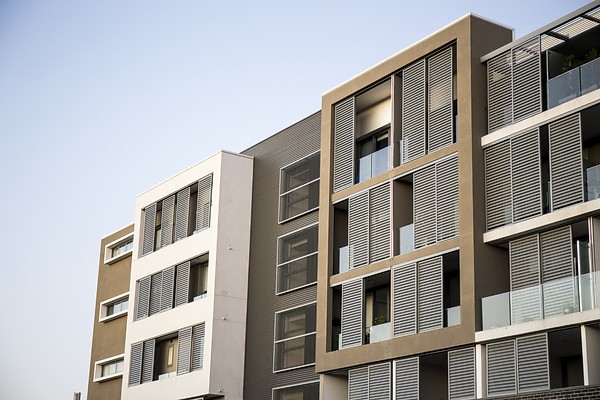
Strata Management in Narooma NSW 2546
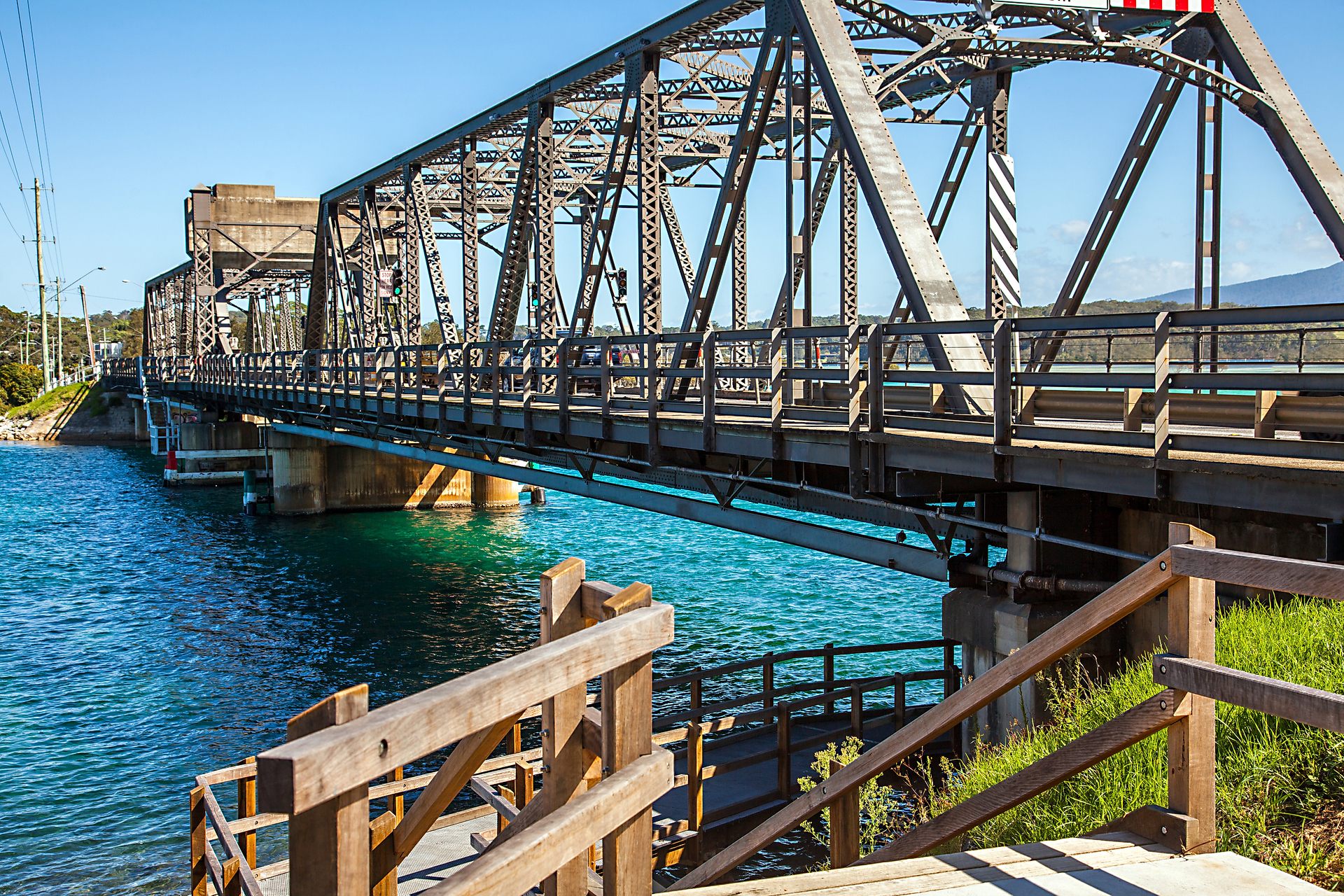
Narooma is one of the South Coast's most picturesque coastal communities, renowned for its stunning waterways, relaxed lifestyle, and growing mix of residential, holiday, and investment properties. Situated between Wagonga Inlet and the Pacific Ocean, Narooma continues to attract property owners, investors, retirees, and residents seeking a unique coastal lifestyle.
Narooma Strata Property and Community Guide
Narooma Strata Property and Community Guide
Owning Strata Property in Narooma NSW
Narooma has a varied mix of strata property. Owners may be part of a waterfront holiday apartment building near Wagonga Inlet, a low-rise residential block close to the town centre, a villa or townhouse development, or a mixed-use property near Wagonga Street and the Princes Highway. Each type of scheme has different maintenance, access, insurance and budgeting priorities.
The town's position between Wagonga Inlet and the Pacific coast shapes how local buildings age and how owners corporations should plan. Salt carried through the air, wind-driven rain, steep sites, seasonal occupancy and periods when holiday units are vacant can all affect common property. A practical Narooma strata plan therefore begins with the building itself, the registered strata plan, current by-laws, the condition of shared assets and the scheme's financial capacity.
This guide brings together local property considerations and reliable government information for owners, buyers and strata committee members. It is designed to complement the Essential Strata Narooma office page, which contains contact details and information about professional strata management services.
Narooma Coastal Conditions and Common Property Planning
Coastal exposure does not affect every Narooma building in the same way. Distance from the water, elevation, building design, construction materials, orientation, drainage and maintenance history all influence risk. Owners corporations should base decisions on inspections and qualified advice rather than assuming that one maintenance program will suit every property.
Salt air and corrosion
External metalwork, roof fixings, balustrades, garage doors, window frames, air-conditioning supports and exposed services may deteriorate faster in a marine environment. Committees should record visible rust, coating failure, cracking and water staining, then arrange appropriate inspection before minor deterioration develops into a larger repair.
Rain water and drainage
Roofs, gutters, downpipes, balcony outlets, retaining-wall drainage, paved areas and stormwater systems should be considered together. Water can enter far from the point where damage becomes visible, so repeated ceiling stains or damp walls should not be treated as isolated cosmetic problems. The owners corporation should confirm the source, determine whether common property is involved and keep a clear record of the response.
Sloping sites and retaining structures
Some Narooma schemes occupy sloping land or have stepped driveways, garden walls and retaining structures. Drainage, surface movement, cracking, vegetation and access can affect these areas. A committee should obtain engineering or other specialist advice where movement, instability or structural damage is suspected.
Wagonga Inlet Kianga and Dalmeny Flood Information
Eurobodalla Council publishes a dedicated flood study for the Narooma coastal inlets area, including Wagonga Inlet, Kianga and Dalmeny. Owners and prospective buyers can review the Wagonga Inlet Kianga and Dalmeny Flood Study and the Council's broader flood studies information. These sources help identify where more detailed property-specific enquiries may be required.
A flood study does not replace advice about an individual lot or strata building. Committees should consider the building's site levels, garages, storage areas, electrical equipment, pumps, drainage points and safe access routes. Insurance terms should also be reviewed carefully because stormwater, flood, actions of the sea, maintenance defects and gradual deterioration may be treated differently.
Holiday Apartments and Seasonal Occupancy
Narooma's visitor economy means some strata schemes combine permanent residents, long-term tenants, holiday-home owners and short-term guests. Occupancy can rise sharply during school holidays and major local events, placing extra pressure on parking, bins, pools, foyers, laundries and other shared facilities.
Clear arrival information can prevent many recurring problems. Owners who let their properties should give guests the correct parking instructions, bin arrangements, access procedures and relevant by-laws. Emergency contact details should be current, particularly when the owner lives outside Eurobodalla.
Owners considering short-term rental accommodation should check their scheme's by-laws and the current NSW Planning Portal short-term rental accommodation requirements. The planning framework and a scheme's by-laws perform different functions, so satisfying one does not remove the need to comply with the other.
Waste Parking and Shared Areas
Waste and parking issues often become more noticeable when visitor numbers increase. Bin rooms and collection points should have clear signs, adequate access and a practical cleaning schedule. Committees should also identify responsibility for moving bins, managing bulky waste and reporting missed collections.
Eurobodalla Council provides current information through its waste and recycling collection FAQs and its A to Z guide to recycling and waste disposal. Linking residents and holiday hosts to these official resources is more reliable than reproducing collection rules that may later change.
Parking controls should be based on the registered strata plan and the scheme's by-laws. Visitor spaces, allocated lot parking and common-property areas should be clearly distinguished. The NSW Government's strata parking guidance explains the general process for dealing with parking issues in a scheme.
Planning Building Work and Local Approvals
Renovations and building repairs may require more than one approval. A lot owner may need consent under the strata legislation and the scheme's by-laws, while planning or building approval may also be required from Eurobodalla Council or another authority. The required pathway depends on the work, the property and the applicable planning controls.
Eurobodalla Council maintains its development control plans and local codes, including the Narooma Township Development Control Plan and the Eurobodalla Coastal Hazard Code. Owners should check current requirements before altering external appearance, drainage, balconies, retaining structures, access or other building elements.
For strata approval, the starting point is the registered strata plan, current by-laws and the nature of the work. The NSW Government's strata living guide explains common property, repairs, renovations and owner responsibilities. Where boundaries or responsibility are uncertain, obtain advice before approving work or allocating costs.
Narooma Local Services and Useful Links
Eurobodalla Council planning guides and development controls
Narooma area flood study for Wagonga Inlet Kianga and Dalmeny
Eurobodalla emergency information and agency contacts
Eurobodalla beaches and local facilities
NSW Government strata living guide
Transport for NSW journey planning and service information
Visit NSW Narooma destination information
Barunguba Montague Island Nature Reserve information
Nearby Communities Around Narooma
Narooma functions as an important service centre for nearby coastal and rural communities. Strata owners may also have connections with North Narooma, Kianga, Dalmeny, Bodalla, Mystery Bay, Central Tilba and Tilba Tilba. These places should not be treated as interchangeable. Each has different building patterns, site conditions, occupancy levels and access to contractors.
A neighbourhood page should therefore describe Narooma accurately without trying to rank for every surrounding suburb. Separate pages for Kianga, Dalmeny or other communities should contain genuinely local information and link back to Narooma only where it helps the reader.
Practical Checklist for Narooma Strata Committees
Review the registered strata plan and current by-laws before deciding who is responsible for a repair.
Keep a photographed condition record of roofs, gutters, external metalwork, balconies, drainage and retaining structures.
Confirm that the capital works fund plan reflects the building's actual coastal maintenance priorities.
Check insurance renewal information for current building values, occupancy and known defects.
Maintain clear instructions for visitors, holiday guests and owners who live outside the region.
Review waste, parking and emergency procedures before peak holiday periods.
Use qualified professionals for structural, waterproofing, fire-safety, engineering or other technical conclusions.
Record committee decisions, quotations, reports and completed work so future committees can understand the building's history.
Local Narooma Strata Support
For information about Essential Strata's local manager, Narooma office, management services or a tailored proposal, visit the Essential Strata Narooma office page. Keeping detailed service and contact information on the office page helps this neighbourhood guide remain useful and avoids duplicating the same commercial content across two URLs.
Frequently Asked Questions About Narooma Strata Property
1 What types of strata property are found in Narooma
Narooma includes low-rise apartment buildings, holiday accommodation, villas, townhouses and mixed-use property. The registered strata plan and by-laws determine the boundaries and rules for each individual scheme.
2 Why is coastal exposure important for Narooma buildings
Salt, moisture, wind and rain can accelerate corrosion and expose weaknesses in roofs, flashings, balconies, coatings and drainage. The level of exposure varies by location, elevation, design and maintenance history.
3 Where can owners check Narooma flood information
Eurobodalla Council publishes the Wagonga Inlet, Kianga and Dalmeny flood study and broader flood-study information. Property-specific advice may still be required before making building, insurance or purchasing decisions.
4 Does a lot owner need approval before renovating
Approval depends on the work. Strata approval may be required under NSW law and the scheme's by-laws, and Council or building approval may also apply. Owners should confirm both pathways before work begins.
5 How should a scheme manage holiday and vacant apartments
Schemes should maintain current owner contacts, clear guest instructions, reliable access procedures and a process for reporting leaks, damage, security concerns or other urgent problems when a lot is unoccupied.
6 Who manages bins and bulky waste in a strata scheme
Eurobodalla Council sets local collection and disposal requirements, while the owners corporation manages common bin areas and any scheme-specific arrangements. Responsibilities for moving and cleaning bins should be recorded clearly.
7 How can an owner tell whether something is common property
Start with the registered strata plan, the scheme's by-laws and any approved renovations or common-property rights by-laws. General guides are useful, but they cannot resolve every scheme's boundaries.
8 What emergency information should a Narooma scheme maintain
Committees should keep current emergency contacts, building access information, essential service locations and procedures for notifying residents. Eurobodalla Council publishes local emergency information and links to lead agencies.
9 Where can owners find local strata management contact details
The Essential Strata Narooma office page contains the local office address, contact information, service details and proposal information. This neighbourhood page intentionally does not repeat that material in full.