Dulwich Hill Strata Management NSW 2203 | ETSM
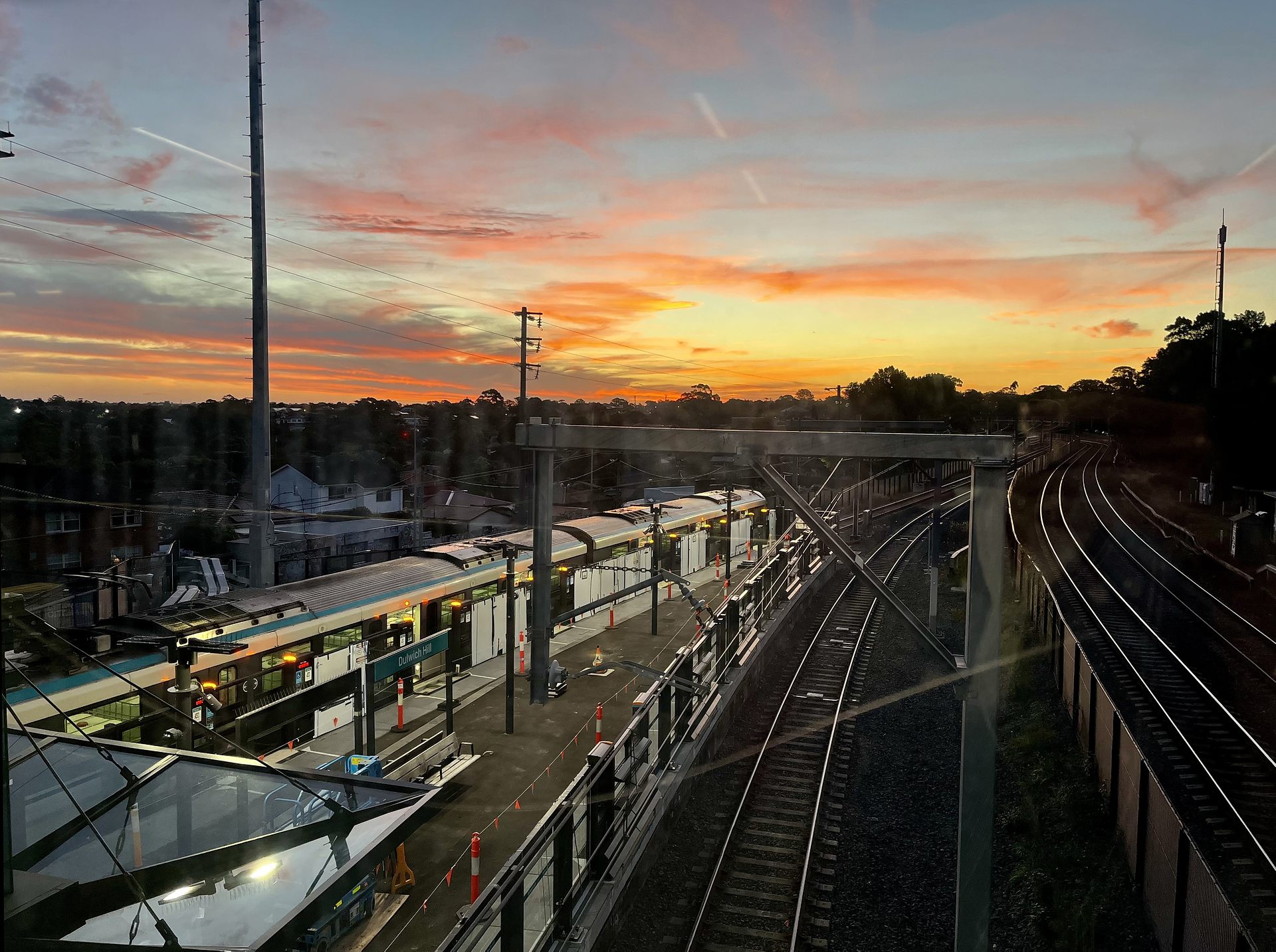
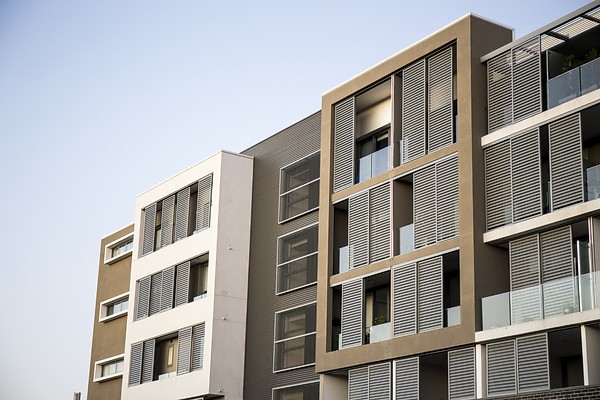
Dulwich Hill is an established Inner West suburb known for its neighbourhood character, local cafés and shops along Marrickville Road and New Canterbury Road. Its mix of established homes, apartments and newer residential developments offers a varied lifestyle for residents, professionals, investors and property owners. Light rail connections, neighbourhood parks and the GreenWay add to its appeal. For strata communities, well-managed shared gardens, paths and courtyards help support the everyday use and upkeep of a building.
Strata Management in Dulwich Hill NSW 2203
Strata Support for Dulwich Hill Apartments and Shared Outdoor Areas
Dulwich Hill combines established residential streets with apartments, local shops and cafés along Marrickville Road and New Canterbury Road. Light rail connections, neighbourhood parks and the GreenWay add to its appeal for residents, investors and property owners. In strata buildings, shared gardens, paths and courtyards can make a valuable contribution to everyday life when their care is planned and responsibilities are clear.
Ellouise Tyrrell Strata Management supports Dulwich Hill owners corporations through its ETPM and ETSM Marrickville office. We help committees connect routine administration, financial decisions and contractor instructions with the practical needs of their building.
Give Shared Outdoor Areas a Clear Maintenance Plan
A courtyard often contains several different assets: planting, paving, drainage, lighting, fences and sometimes retaining structures. A single instruction to "tidy the garden" may leave important work undefined. Start by identifying the shared areas and what needs attention in each one.
Routine work might include agreed pruning, leaf collection, weeding and keeping planted areas presentable. Other issues may require a separate inspection or specialist quote. An uneven path, damaged retaining wall or recurring drainage problem should not disappear into the routine gardening checklist.
A practical schedule describes the areas to be serviced, the tasks included and when the contractor should report an issue outside that scope. Ask how green waste will be handled and how visits will be coordinated with residents. Clear instructions make it easier to assess the service and plan the next maintenance decision.
Match the Contractor to the Actual Issue
A landscape contractor may be the right person for routine garden care. Tree condition, major pruning or removal can require qualified arborist advice. A problem involving a wall, pavement or drainage system may need assessment by a different specialist. Selecting the appropriate expertise begins with describing the concern accurately.
When reporting an issue, identify its location and what has been observed. Useful details include when water collects, where a branch overhangs a path or whether damage appears to be changing. Photographs can help record the concern, but they do not establish its cause. Avoid treating roots, age or recent rainfall as a confirmed explanation without suitable assessment.
Once advice is available, the committee can compare the proposed work, access needs, exclusions and cost. Keep routine service instructions separate from additional approved work so the owners corporation can see what it is paying for and which issues remain outstanding.
Trees, Planting and Property Responsibilities
Before approving tree work, establish where the tree stands and who is responsible for it. Check the relevant strata plan and by-laws for a tree within a scheme. A tree outside the boundary may require a different contact and process.
Inner West Council's tree pruning and removal guidance explains when permission may be needed. Requirements depend on the tree, proposed work and property circumstances. Concerns about shade, leaves or branches do not by themselves establish permission to remove a tree. Seek suitable arborist advice and confirm the applicable council requirements before arranging the work.
New planting also deserves a considered proposal. Discuss location, likely mature size, access for future care and the ongoing maintenance cost. Council's Creating Nature at Home guidance can provide ideas for planting that supports local wildlife. Any proposal still needs to suit the shared space and follow the scheme's approval process.
Courtyards That Residents Can Use and Understand
A shared outdoor area works best when residents understand how it is cared for and used. The committee can review whether furniture, stored items or planting interfere with agreed access routes, contractor visits or the intended use of the space. Check the scheme's rules and the circumstances before directing residents to move personal items.
Maintenance notices should explain what is happening and which area is affected. If a contractor needs to restrict access temporarily, agree the arrangements in advance and communicate them clearly. Lighting concerns and damaged surfaces should be recorded for appropriate assessment, with urgent issues referred promptly through the building's agreed contact.
Changes to a courtyard can affect more than its appearance. Replacing garden beds, paving or lighting may alter drainage, maintenance demands or access. Obtain the relevant advice and approval before a preferred design becomes an instruction to proceed.
The GreenWay and Dulwich Hill's Local Setting
The GreenWay connects local walking and cycling spaces through Dulwich Hill and neighbouring suburbs. Hoskins Park, Arlington Reserve and other green spaces contribute to the area's character. These public amenities provide neighbourhood context; they do not establish a private building's boundaries or access rights.
For a strata community, the useful question is how its own outdoor areas are managed. Keep decisions about private planting, paths and shared facilities grounded in the property records, relevant advice and the needs of the residents using them.
Budget for Routine Care and Larger Work
Regular garden care and a substantial replacement project need different scopes and financial consideration. The committee should be able to see the routine service cost, any additional quoted work and whether a larger project needs a separate funding decision.
Check responsibility before allocating an expense. The NSW repairs and maintenance guide explains common property obligations; the strata plan and relevant by-laws help establish how those apply to the building. For broader repair planning, our Inner West common property repairs guide provides further background.
Questions from Dulwich Hill Owners
Can an owner add plants to a common courtyard?
Check the scheme's approval process and relevant by-laws first. A proposal should explain the location, planting and future care. Shared space decisions need to consider access, maintenance and other residents' use of the area.
Does the gardener's contract include tree removal?
Read the actual scope. Tree work may require separate specialist advice, approval and council permission. A routine garden maintenance arrangement should not be assumed to include every task involving vegetation.
How should we report recurring water in an outdoor area?
Record where and when it occurs and send the information to the agreed contact. Suitable inspection can establish the cause and next step. Describe what you have observed without assuming which asset or neighbouring property caused it.
Can ETSM provide a proposal for a smaller scheme?
Contact the team with your address, lot count, current management arrangement and priorities. Tell us about any recurring outdoor maintenance concerns so the discussion can reflect the work your committee needs help coordinating.
Discuss Your Dulwich Hill Strata Building
View our Sydney strata management services, or call the Marrickville team on 02 9369 3639. Contact ETSM to discuss a management proposal for your Dulwich Hill owners corporation.