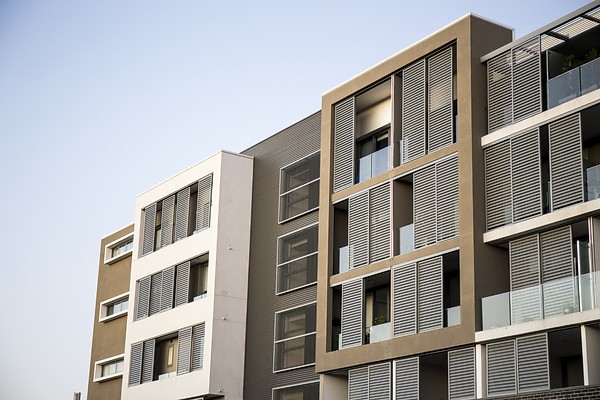
Maintaining Common Property Is a Legal Responsibility in NSW Strata

Understanding the owners corporation's repair duties under section 106
Maintaining common property is not simply about keeping a strata building looking presentable. It is a legal responsibility that applies to owners corporations throughout New South Wales.
A leaking roof, deteriorating balcony, blocked common drain or damaged external wall cannot simply be ignored because the owners corporation would prefer not to spend money. Delaying necessary common property repairs can lead to greater building damage, expensive emergency work, insurance complications, owner disputes and significant special levies.
For strata committees in Sydney and across the NSW South Coast, proactive maintenance is one of the most effective ways to protect residents, control long-term costs and preserve the value of every property within the scheme.
ETSM and Essential Strata Management help owners corporations investigate building problems, obtain professional advice, coordinate qualified contractors and keep important common property repairs progressing.
What section 106 requires
Section 106 of the Strata Schemes Management Act 2015 places a clear duty on an owners corporation to maintain and repair common property. The owners corporation must properly maintain common property, keep it in a good and serviceable state of repair, and renew or replace common property fixtures and fittings when required.
This responsibility applies across NSW to apartment buildings, townhouse developments, villa complexes and other registered strata schemes. The owners corporation consists of all lot owners. A professional strata manager can administer and coordinate the repair process, but the owners corporation must provide the necessary authority and funding.
A strata committee should therefore take reported defects seriously, investigate them properly and keep written records of the decisions and actions taken.
What is common property in a NSW strata scheme?
Common property generally includes areas, structures and services shared by residents or considered structurally important to the building. Depending on the registered strata plan, by-laws and any applicable common property memorandum, it may include:
roofs, gutters, external walls, boundary walls, foundations and structural elements
concrete floor slabs, balconies, balustrades, balcony doors, windows and window locks
common plumbing, drainage, wiring and services within boundary walls or beneath floors
hallways, foyers, stairwells, lifts, fire-safety equipment and mechanical services
driveways, visitor parking, common carparks, gardens, fences, retaining walls and gates
swimming pools, spas and shared recreational facilities.
Every scheme is different. Responsibility can be affected by the registered strata plan, exclusive-use by-laws, common property rights by-laws, renovation approvals and previous alterations. Before allocating the cost of a repair, the relevant documents and the actual source of the defect should be reviewed.
Who pays for common property repairs?
The owners corporation generally pays for repairing and maintaining common property. Routine expenses may be paid from the administrative fund, while major repairs and replacements are normally paid from the capital works fund.
Common owners corporation responsibilities can include repairing a leaking common roof, plumbing inside a boundary wall, water penetration through an external wall, structural balcony defects, common windows, concrete deterioration, shared driveways and fire-safety systems.
Individual owners are generally responsible for items located wholly within their lot, including internal paint, carpet, appliances and many owner-installed fixtures. However, responsibility should never be assumed solely from where the damage appears. Water staining inside an apartment may originate from a common property roof, balcony membrane, boundary wall or pipe beneath the slab.
Why delaying strata repairs can become expensive
A minor building defect can quickly develop into a serious and costly problem. A small roof leak may eventually damage ceilings, electrical systems and floor coverings. Cracked balcony tiles may allow water to reach a failed waterproofing membrane. A small concrete crack may expose reinforcing steel to moisture, leading to corrosion and spalling.
greater structural and building damage
higher contractor, consultant and material costs
emergency call-out expenses and limited repair options
damage to individual lots, mould and loss of use
insurance complications and disputes between owners
NSW Fair Trading complaints, mediation or tribunal proceedings
large special levies and reduced property presentation.
Proactive strata maintenance gives the owners corporation time to investigate the cause, obtain suitable advice, compare proposals and plan how the work will be funded. Emergency repairs offer far fewer choices.
NSW Fair Trading has stronger repair compliance powers
Where NSW Fair Trading identifies a potential breach of an owners corporation's repair and maintenance obligations, it may seek a rectification plan, issue a compliance notice or seek an enforceable undertaking. A known defect should not be continually postponed without an evidence-based plan.
Committees should keep records of the report date, photographs, inspections, expert reports, quotations, resolutions, funding decisions, appointments, progress updates, invoices and warranties. Good records show that the owners corporation has assessed the problem and is taking reasonable steps toward an appropriate outcome.
What happens if common property is not repaired?
An owner should first report the problem in writing to the strata manager or strata committee, with the location, dates, photographs, the extent of damage and any immediate safety or security concern. If the issue is not addressed, the owner can request a motion for a general meeting.
If the dispute remains unresolved, NSW Fair Trading mediation, a formal Fair Trading complaint or an application to the NSW Civil and Administrative Tribunal may be available. A lot owner may also be able to seek compensation for loss suffered because the owners corporation failed to meet its maintenance duty. Current NSW Government guidance refers to a six-year period from the owner becoming aware of the loss, but legal advice should be obtained for any individual claim.
A practical common property repair process
Record and triage the report. Capture dates, photographs, affected areas and whether the issue is urgent or likely to worsen.
Investigate the underlying cause. Use an appropriately qualified plumber, builder, engineer, waterproofing consultant, fire practitioner or remedial specialist where required.
Confirm responsibility. Review the strata plan, by-laws, approvals and renovation history before allocating the cost.
Prepare a clear scope. Contractors should quote on the same defined task so price, exclusions, timing and warranties can be meaningfully compared.
Obtain suitable quotations. Check licences, insurance, capability, methodology, materials, access needs and payment terms, not only the lowest price.
Approve the work correctly. Follow the legislation, budget, spending controls, delegations and agency agreement.
Coordinate access and communication. Keep affected owners and residents informed and document agreed access arrangements.
Monitor completion. Compare the finished work and invoice against the approved scope and promptly address incomplete or defective items.
Current NSW Government guidance states that schemes must obtain at least two independent quotations for work valued at $30,000 or more, regardless of scheme size, subject to emergency-repair exceptions.
Capital works planning helps prevent special levies
Every NSW strata scheme should have a 10-year capital works fund plan that forecasts significant future expenditure. Typical items include roof replacement, external painting, balcony waterproofing, concrete remediation, lifts, windows, driveways, major plumbing, fire-safety upgrades, fencing and pool repairs.
All new and revised capital works fund plans must use the prescribed standard form, and plans must be reviewed at least every five years. A realistic plan helps the owners corporation set appropriate levies and reduce the chance of a sudden financial shock.
The plan should not sit untouched in the records. It should be compared with the actual building condition, completed projects, current quotations and emerging risks during annual budget discussions.
Common property repairs in Sydney strata buildings
Buildings across Sydney's Inner West, Eastern Suburbs and Lower North Shore can face very different maintenance challenges. Older schemes in Marrickville, Dulwich Hill, Ashfield, Petersham, Leichhardt, Balmain, Randwick, Kingsford, Coogee, Bronte and Bondi may have ageing roofs, original plumbing, balcony waterproofing failures, concrete deterioration, water penetration, ageing windows, brickwork or stormwater problems.
Coastal suburbs can also experience salt exposure, wind-driven rain and corrosion. Dense sites, restricted contractor access, heritage considerations and mixed residential-commercial use can add complexity to investigation and repair work.
ETSM provides strata management across Sydney's Eastern Suburbs, Inner West and Lower North Shore. The team helps committees coordinate inspections, professional reports, quotations, meetings, access, resident communication and approved repair work.
Common property repairs on the NSW South Coast
South Coast strata properties are exposed to salt air, coastal moisture, storms, strong winds and heavy rainfall. These conditions can accelerate deterioration of metal roofs, gutters, balustrades, external coatings, concrete, reinforcing steel, balcony membranes, windows, retaining walls, drainage systems and pool equipment.
Regional schemes may also have difficulty sourcing specialist contractors, obtaining comparable quotations and coordinating tradespeople who must travel significant distances. Maintenance planning should allow for local availability, seasonal demand, weather and mobilisation time.
Essential Strata Management provides local strata management from Nowra through the NSW South Coast and Far South Coast to Eden, including Batemans Bay, Batehaven, Moruya, Narooma, Bermagui, Bega, Tathra and Merimbula. Local knowledge helps keep coastal maintenance priorities connected to scheme budgets and capital works planning.
How ETSM and Essential Strata Management can help
Effective maintenance requires more than forwarding an email to a contractor. ETSM and Essential Strata support owners corporations with an organised process that keeps authority, records and communication clear.
recording, monitoring and triaging repair requests
reviewing strata plans, by-laws and available maintenance history
coordinating site inspections, technical reports and comparable quotations
preparing meeting motions, funding information and contractor approvals
arranging access and keeping owners and residents informed
following up contractors, incomplete work, invoices and warranties
connecting current building condition with the capital works plan and budget.
The businesses manage schemes from approximately 3 to 100 lots and are independently owned and operated. Their service model combines a named manager with administration, accounting and senior support, transparent routine fees and no insurance or trade commissions.
Frequently asked questions
Who pays for common property repairs in NSW?
The owners corporation generally pays for common property repairs from its administrative or capital works fund. Responsibility must be checked against the strata plan, by-laws and the source of the defect.
Is a balcony common property?
Balcony structures, membranes, balustrades and balcony doors are commonly treated as common property, but the registered strata plan, by-laws and renovation history must be reviewed.
Who is responsible for a water leak in strata?
Responsibility depends on the source. A common roof, boundary wall, balcony membrane or pipe beneath the floor may be an owners corporation matter. A leaking fixture wholly inside a lot may be an owner responsibility.
Can an owners corporation refuse to repair common property?
An owners corporation cannot simply ignore its statutory maintenance duty. Where responsibility or the correct repair method is disputed, it should obtain timely technical and legal advice.
Can a strata manager approve repairs without a meeting?
It depends on legislation, delegated authority, the budget, spending restrictions, urgency and the agency agreement. Major projects usually require clearer committee or owners corporation approval.
Does the strata manager pay for repairs?
No. The owners corporation provides the funding. The strata manager coordinates approved work within the authority delegated to the managing agent.
How often should the capital works fund plan be reviewed?
NSW strata schemes must have a 10-year plan and complete the mandatory review at least every five years. Good practice is to compare it with actual building condition during annual budgeting.
What should an owner do when common property is damaged?
Report the issue promptly in writing, include photographs and dates, explain any safety or access concern and keep copies of all communication. Urgent risks should be clearly identified.
Protecting your building starts with proactive strata management
Maintaining common property protects residents, owner finances, insurance arrangements and the long-term value of every lot. Small defects should be investigated before they become major repairs, contractors should be properly managed and committees should receive clear information throughout the process.
For Sydney strata management across the Eastern Suburbs, Inner West and Lower North Shore, contact ETSM. For local strata management from Nowra to Eden, contact Essential Strata Management. The team can review your latest AGM information, discuss the building's priorities and prepare a tailored proposal.
Sydney: Concerned about overdue common property repairs? Ask ETSM for a tailored strata management proposal.
NSW South Coast: Need local help coordinating coastal building maintenance? Talk to Essential Strata Management.
Authoritative and company references
NSW Legislation - Strata Schemes Management Act 2015
NSW Government - Strata repairs and maintenance
NSW Government - Strata building repairs health check
NSW Government - Capital works fund planner
NSW Government - Strata disputes
NSW Government - Guide to strata law changes
Disclaimer: This content is general information prepared for marketing and educational purposes. It does not constitute legal, financial, engineering, building, insurance or other professional advice. Strata plans, by-laws, site conditions and statutory obligations differ between schemes. ETSM, Essential Strata Management and each owners corporation should verify current NSW law and obtain advice appropriate to the building before acting. Content current to 21 August 2026.